
Understanding IT Band Syndrome
Iliotibial (IT) band syndrome arises from friction, impacting movement and causing discomfort; varying activity and regular stretching are crucial preventative measures for pain-free motion.
Physical therapy, encompassing foam rolling, targeted stretching, and strengthening surrounding muscles, offers effective relief and supports optimal function for individuals experiencing ITBS.
Glute release is vital, as tension in these muscles can contribute to IT band issues, and a supine stretch with a towel or cord aids in targeted release.
What is the IT Band?
The iliotibial (IT) band is a thick band of fibrous tissue that runs along the outside of the thigh, extending from the hip to just below the knee. It’s not a muscle itself, but rather a reinforcement for the thigh muscles, playing a crucial role in stabilizing the knee during running and other activities.
Its primary function is to prevent the knee from buckling inward during weight-bearing exercises. However, the IT band doesn’t stretch significantly, and repetitive movements, especially those involving bending and straightening the knee, can cause friction as it rubs against the bony prominence on the outside of the knee.
This friction is often the root cause of IT band syndrome, leading to pain and inflammation. Understanding the IT band’s structure and function is key to comprehending why certain stretches and exercises are effective in alleviating symptoms and preventing recurrence. Proper care and attention to this band are essential for maintaining lower body health.
Causes of IT Band Syndrome
IT band syndrome typically arises from repetitive friction between the IT band and the lateral femoral epicondyle – the bony bump on the outside of the knee. This friction is often exacerbated by several factors, including improper biomechanics, muscle imbalances, and inadequate warm-up routines;
Runners are particularly susceptible due to the high-impact nature of their sport, often experiencing ITBS from increased mileage, running on uneven surfaces, or inadequate stretching. Cyclists can also develop the condition due to repetitive knee flexion.
Weak hip abductors and gluteal muscles contribute to poor form and increased stress on the IT band. Tightness in the calf muscles can also play a role. Varying exercise types and incorporating regular stretching, alongside addressing biomechanical issues, are crucial for prevention and management of this common injury.

Stretches for IT Band Syndrome Relief
Targeted stretches effectively release tension, improve flexibility, and alleviate discomfort associated with IT band syndrome, promoting pain-free movement and restoring optimal function.
Standing IT Band Stretch
To perform this stretch, stand with the affected side facing a wall or stable support for balance. Cross the affected leg behind the other, creating a slight crossover. Gently lean towards the support, feeling a stretch along the outside of your hip and thigh – the IT band.
Maintain a straight back and avoid bending at the waist. The intensity of the stretch should be moderate; do not push beyond your comfort level. Hold the stretch for 20-30 seconds, breathing deeply throughout.
Repeat this stretch 2-3 times on each side. This stretch is beneficial as it targets the IT band directly, helping to release tension and improve flexibility. Consistency is key for noticeable results, incorporating it into your daily routine.
Wall Calf Stretch (Focus on IT Band)
Begin by facing a wall, positioning your hands at shoulder height for support. Extend one leg straight back, keeping the heel firmly planted on the ground. Slightly turn your back foot inward, as if pigeon-toed, to emphasize the stretch along the IT band.
Lean forward, bending your front knee, until you feel a noticeable stretch in the calf and along the outer thigh. This inward rotation targets the IT band more effectively. Hold this position for 20-30 seconds, maintaining deep, controlled breaths.
Repeat the stretch 3 times on each leg, switching positions to ensure balanced stretching. This variation of the calf stretch is particularly useful for addressing IT band tightness, promoting flexibility and reducing discomfort.
Supine IT Band Stretch with Towel/Cord
Lie comfortably on your back with your legs extended; Loop a towel or resistance cord around the ball of one foot, holding the ends securely with your hands. Gently pull the towel/cord, guiding your leg across your body towards the opposite shoulder.
Maintain a straight leg throughout the stretch, avoiding any bending at the knee. You should feel a stretch along the outer thigh, targeting the IT band. Adjust the angle of your leg to modify the intensity of the stretch, finding a comfortable yet challenging position.
Hold the stretch for 20-30 seconds, breathing deeply. Repeat 3-5 times on each leg. This stretch effectively lengthens the IT band and surrounding tissues, relieving tension and improving flexibility.
Glute Stretch for IT Band Release
Lie on your back with your knees bent and feet flat on the floor. Cross your right ankle over your left knee, forming a figure-four shape. Gently pull your left thigh towards your chest, using your hands to clasp behind your thigh or over your shin.
You should feel a stretch in your right gluteal muscle. Maintain a neutral spine and avoid pulling on your knee. Hold this position for 20-30 seconds, breathing deeply and relaxing into the stretch. Repeat 3-5 times on each side.
Tight glutes can contribute to IT band issues, so releasing tension in this area is crucial. This stretch helps improve hip mobility and alleviate pressure on the IT band, promoting better biomechanics.
Clamshell Exercise
Lie on your side with your knees bent at a 45-degree angle and your hips stacked. Keep your feet together throughout the exercise. Engage your core to maintain a stable position and prevent your hips from rolling backward.
Slowly lift your top knee away from your bottom knee, keeping your feet in contact. Imagine you are opening a clamshell. Focus on squeezing your gluteal muscles during the movement. Avoid arching your back or rotating your torso.
Hold the contracted position for a few seconds, then slowly lower your knee back to the starting position. Repeat 10-15 times on each side. This exercise strengthens the hip abductors, which help stabilize the pelvis and support proper IT band function.

Foam Rolling for IT Band Syndrome
Foam rolling is a key component of IT band syndrome treatment, releasing tension and improving flexibility; it’s often included in physical therapy regimens.
Foam Rolling Technique
Begin by positioning yourself with the foam roller under the outside of your thigh, focusing on the iliotibial band. Support your weight with your forearms and the opposite leg, ensuring controlled movement. Slowly roll from just above the knee to the upper thigh, pausing on any tender spots for approximately 30 seconds.
Maintain a slow and controlled pace, avoiding quick or jerky movements. Deep, diaphragmatic breathing can help relax the muscles and enhance the effectiveness of the foam rolling. Focus on areas that feel particularly tight or painful, applying gentle pressure. Remember, discomfort is expected, but sharp pain should be avoided.
Repeat this process several times, gradually increasing the pressure as tolerated. Consistent foam rolling can help break up adhesions, improve blood flow, and reduce IT band tightness. Consider incorporating foam rolling into your routine several times a week, especially after exercise.
Areas to Focus on While Foam Rolling
Prioritize the entire length of the IT band, starting just above the knee and extending up to the hip. Pay close attention to areas exhibiting heightened sensitivity or palpable knots, as these indicate points of tension. Specifically target the lateral thigh, where the IT band resides, and the area slightly above the knee joint.
Don’t neglect the surrounding muscles, including the tensor fasciae latae (TFL) at the hip and the quadriceps. These muscles contribute to IT band function and tightness. Rolling these areas can provide comprehensive relief. Spend extra time on any particularly tender spots, holding pressure for 30 seconds.
Remember to also address the calf muscles, as tightness here can indirectly impact the IT band. Consistent and targeted foam rolling in these areas will promote flexibility and reduce overall tension, aiding in IT band syndrome management.
Strengthening Exercises to Support IT Band Function
Hip abduction and glute strengthening are essential for stabilizing the pelvis and improving lower body mechanics, directly supporting optimal IT band function.
Stronger glutes contribute to better movement patterns, reducing stress on the IT band and preventing future episodes of discomfort or pain.
Hip Abduction Exercises
Hip abduction exercises are foundational for strengthening the muscles responsible for stabilizing the pelvis during movement, a critical component in addressing IT band syndrome. These exercises focus on the gluteus medius and minimus, which play a vital role in preventing the hip from dropping inward during activities like running or walking.
Clamshells are an excellent starting point; lying on your side with knees bent, lift the top knee while keeping feet together, engaging the glutes. Side-lying leg lifts, where you raise the top leg straight up while maintaining a stable core, also effectively target these muscles.

Banded walks, using a resistance band around the ankles or thighs, further challenge the hip abductors. Take small, controlled steps sideways, maintaining tension on the band. Progressing to standing hip abductions with a resistance band provides a more functional challenge. Remember to focus on controlled movements and proper form to maximize effectiveness and prevent injury.
Glute Strengthening Exercises
Strengthening the gluteal muscles is paramount in IT band syndrome management, as weak glutes contribute to altered biomechanics and increased stress on the IT band. Focusing on all three gluteal muscles – maximus, medius, and minimus – provides comprehensive support and stability.
Glute bridges are a foundational exercise; lying on your back with knees bent, lift your hips off the ground, squeezing your glutes at the top. Hip thrusts, performed with your upper back elevated on a bench, offer a greater range of motion and increased challenge.
Single-leg glute bridges and single-leg hip thrusts further enhance glute activation and improve stability. Squats and lunges, performed with proper form, also effectively engage the glutes. Prioritize controlled movements and focus on feeling the glutes working throughout each exercise to maximize benefits and address underlying imbalances.

Preventative Measures for IT Band Syndrome
Regular stretching of the lower body, alongside varying exercise routines, proactively minimizes IT band stress and supports pain-free, consistent movement for optimal health.
Proper Warm-up Routine
A dynamic warm-up is essential before any activity to prepare the IT band and surrounding muscles for exertion, significantly reducing injury risk. Begin with light cardio, like jogging or cycling, for five to ten minutes to increase blood flow.
Incorporate leg swings – both forward/backward and side-to-side – to improve flexibility and range of motion in the hips and legs. Add walking lunges, focusing on controlled movements, to activate glutes and quads.
Include hip circles and torso twists to enhance mobility and prepare the core for stabilization. Prioritize movements that mimic the demands of your planned activity, gradually increasing intensity.
Don’t skip calf raises, as tight calves contribute to IT band issues; dynamic stretches are preferable to static stretches before exercise, priming muscles for performance.
Cool-down and Stretching
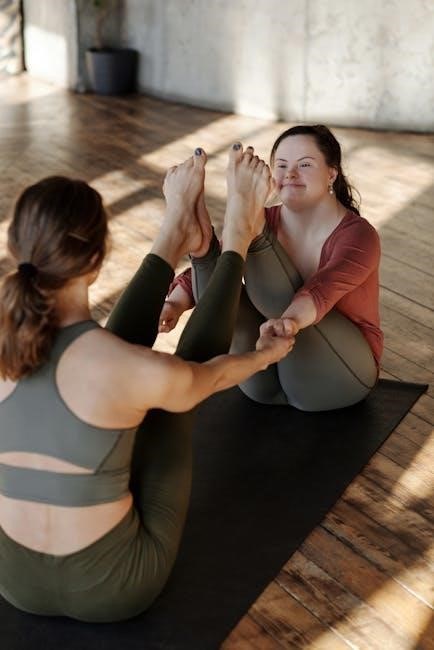
A proper cool-down is crucial post-exercise to gradually lower your heart rate and prevent muscle soreness, aiding in IT band recovery. Begin with five to ten minutes of light cardio, like walking, to facilitate blood flow.
Follow with static stretches, holding each for 30 seconds, focusing on the IT band, quads, hamstrings, and calves. The wall calf stretch, with a slight inward turn of the back foot, is particularly beneficial.
Perform the supine IT band stretch using a towel or cord to gently pull the leg across the body, releasing tension. Include a glute stretch to address contributing factors to IT band tightness.
Regular stretching, even on rest days, maintains flexibility and prevents the IT band from becoming overly tight, supporting long-term joint health and reducing the risk of re-injury.

Varying Exercise Types
Repetitive movements, common in running and cycling, can exacerbate IT band syndrome. Introducing variety into your exercise routine is a proactive preventative measure, reducing stress on the iliotibial band.
Cross-training, incorporating activities like swimming, yoga, or strength training, distributes the workload across different muscle groups, minimizing overuse of the IT band. This approach promotes balanced muscular development.
Alternate high-impact activities with low-impact options. For example, replace a long run with a cycling session or a swim. This allows the IT band to recover while maintaining cardiovascular fitness.
Consider incorporating exercises that strengthen the glutes and core, as these muscles support proper biomechanics and reduce strain on the IT band during various physical activities, fostering stability.
When to Seek Professional Help
Persistent pain despite self-treatment warrants a physical therapist’s evaluation; medical attention is crucial if symptoms worsen or significantly limit daily activities and function.
Consulting a Physical Therapist
A physical therapist provides a comprehensive assessment to accurately diagnose IT band syndrome and identify contributing factors specific to your condition. They will develop a personalized treatment plan, incorporating targeted stretches – like the wall calf stretch focusing on the IT band – and strengthening exercises to address muscle imbalances.
Expert guidance ensures proper form during exercises, maximizing effectiveness and minimizing the risk of further injury. Therapists utilize techniques like foam rolling to release tension and improve tissue flexibility, alongside tailored stretching routines to restore optimal IT band function.
Beyond stretches, they’ll educate you on preventative measures, including proper warm-up and cool-down routines, and activity modification to avoid recurrence, empowering you to manage your condition long-term.
Signs You Need Medical Attention
Persistent pain that doesn’t subside with self-treatment, including consistent stretching and foam rolling, signals a need for professional evaluation. If pain intensifies during activity or even at rest, delaying medical attention could worsen the condition.
Significant swelling or redness around the knee joint, accompanied by a popping sensation, requires immediate medical assessment to rule out other potential injuries. Difficulty with weight-bearing activities, or a noticeable change in gait, are also concerning signs.
Limited range of motion in the knee, preventing full extension or flexion, necessitates a professional diagnosis. Don’t hesitate to seek help if home remedies prove ineffective, ensuring a timely and accurate treatment plan is implemented.

IT Band Syndrome and Runners
Runners frequently experience IT band syndrome due to repetitive knee flexion, impacting the iliotibial band and causing pain; specific stretches can help alleviate discomfort.
Common Causes in Runners
For runners, IT band syndrome frequently develops from several interconnected factors contributing to increased friction and inflammation. Repetitive knee flexion during running, especially with increased mileage or intensity, places significant stress on the IT band.
Biomechanical issues, such as overpronation (inward rolling of the foot) or leg length discrepancies, can exacerbate the problem by altering running mechanics and increasing strain.
Insufficient warm-up routines and inadequate stretching of the lower body muscles – including the glutes, hamstrings, and calves – contribute to tightness, limiting flexibility and increasing the risk of IT band irritation.
Running on uneven surfaces or consistently running in one direction (like always turning on a track) can also create imbalances and contribute to the development of IT band syndrome.
Weak hip abductors and gluteal muscles are often implicated, as they fail to adequately stabilize the pelvis, leading to increased stress on the IT band during running.
Specific Stretches for Runners
Runners benefit greatly from incorporating targeted stretches into their routine to address IT band tightness. The standing IT band stretch, involving crossing one leg behind the other and leaning to the side, effectively targets the band.
A wall calf stretch, with a slight inward turn of the back foot, focuses on the calf muscles, which are closely linked to IT band function.
The supine stretch, utilizing a towel or cord to pull the leg across the body, provides a deeper stretch.
Glute stretches, like lying on your back and pulling the knee towards the chest while rotating the shin, release tension that can contribute to IT band issues.
Finally, clamshell exercises strengthen hip abductors, improving pelvic stability and reducing strain on the IT band during running, promoting balanced muscle activation.