
Junior high school represents a significant transition, demanding adaptability and resilience from students. This period necessitates focused academic habits and proactive social engagement.
Effective time management, organization, and seeking assistance are crucial for success. Building self-confidence and navigating peer dynamics are equally important aspects of this journey.
Embracing extracurriculars and responsible technology use further enhances the junior high experience. Preparing for daily routines and prioritizing wellbeing are also key components.
What to Expect
The leap to junior high brings a noticeable shift in academic rigor and expectations. Students will encounter more challenging coursework, often with increased homework loads, demanding consistent effort and improved study skills. Expect a faster pace and a greater emphasis on independent learning, requiring self-discipline and proactive engagement with the material.
Socially, junior high introduces a more complex landscape of peer interactions. Friendships may evolve, and new social groups will emerge, presenting opportunities for connection but also potential challenges related to peer pressure and navigating social dynamics. Increased independence also means greater responsibility for managing one’s time and making choices.
Furthermore, anticipate a wider range of extracurricular activities, offering avenues for exploration and personal growth. This is a time of significant change, both academically and personally, so be prepared to adapt, seek support when needed, and embrace the opportunities for learning and development that junior high provides.
Why Junior High is Different
Junior high marks a departure from the more structured environment of elementary school. The transition involves navigating a larger school building, often with multiple teachers and classrooms, demanding stronger organizational skills and a greater sense of independence. Expect increased academic responsibility, with teachers expecting students to take ownership of their learning and manage their time effectively.
Socially, the dynamics shift as students enter adolescence. Peer relationships become more influential, and social groups begin to form, creating a more complex social landscape. This period often involves navigating new friendships, dealing with peer pressure, and developing a stronger sense of self-identity.
Unlike elementary school, junior high introduces a wider range of elective courses, allowing students to explore their interests and develop new skills. This increased choice, coupled with a more demanding curriculum, requires students to prioritize, manage their time, and seek help when needed, setting the stage for high school success.

Academic Success Strategies
Prioritize consistent study habits, effective time management, and strong organizational skills for optimal learning. Don’t hesitate to seek support from teachers and tutors when facing challenges.
Developing Effective Study Habits
Establishing strong study habits is paramount for academic success in junior high. Begin by designating a quiet, distraction-free study space, consistently used for focused work. Regularly review notes within 24 hours of class to reinforce learning and identify areas needing clarification.
Break down larger assignments into smaller, manageable tasks to avoid feeling overwhelmed. Utilize techniques like the Pomodoro method – 25 minutes of focused study followed by a short break – to maintain concentration. Actively engage with the material; don’t just passively read.
Practice active recall by testing yourself frequently, using flashcards or practice quizzes. Prioritize sleep and proper nutrition, as these significantly impact cognitive function and memory retention. Remember, consistent effort, even in small increments, yields substantial results. Make academics a central focus, dedicating sufficient time and energy to your studies.
Time Management Techniques
Mastering time management is essential for balancing academics, extracurriculars, and a social life in junior high. Start by creating a weekly schedule, allocating specific time slots for each activity – homework, sports, clubs, and relaxation. Prioritize tasks based on deadlines and importance, tackling the most challenging assignments first.
Utilize a planner or digital calendar to track assignments, appointments, and commitments. Break down large projects into smaller, more manageable steps with individual deadlines. Learn to say “no” to commitments that overextend your schedule, protecting valuable study time.
Minimize distractions during study sessions – turn off notifications, silence your phone, and find a quiet workspace. Regularly review and adjust your schedule as needed, adapting to changing priorities. Remember, effective time management isn’t about doing more, it’s about doing what matters most efficiently.
Organization Skills for Students
Developing strong organizational skills is paramount for junior high success. Begin with a designated study space, free from clutter and distractions. Utilize binders, folders, and dividers to categorize subjects and assignments, ensuring easy access to materials. Regularly clean out your backpack, discarding unnecessary papers and organizing remaining items.
Employ a consistent filing system for homework, handouts, and notes, both physically and digitally. Color-coding subjects can aid in quick identification and retrieval. Break down assignments into smaller steps and create checklists to track progress.
Proactive organization reduces stress and improves efficiency. A well-organized student is better prepared for class, less likely to miss deadlines, and more confident in their academic abilities. Remember, a little organization goes a long way!
Seeking Help When Needed: Teachers & Tutors
Don’t hesitate to seek assistance when facing academic challenges. Your teachers are valuable resources, readily available to provide clarification and support during and after class. Utilize office hours or schedule appointments to discuss difficulties with specific concepts or assignments; Prepare questions beforehand to maximize your time.
If you require more individualized attention, consider enlisting the help of a tutor. Tutors can provide personalized instruction, address specific weaknesses, and build confidence. They boost self-assurance and tackle subject-specific difficulties, guiding students to excel.
Remember, asking for help is a sign of strength, not weakness. Proactive support ensures a stronger grasp of the material and prevents falling behind. Utilize all available resources to achieve academic success.
Social Life & Friendships
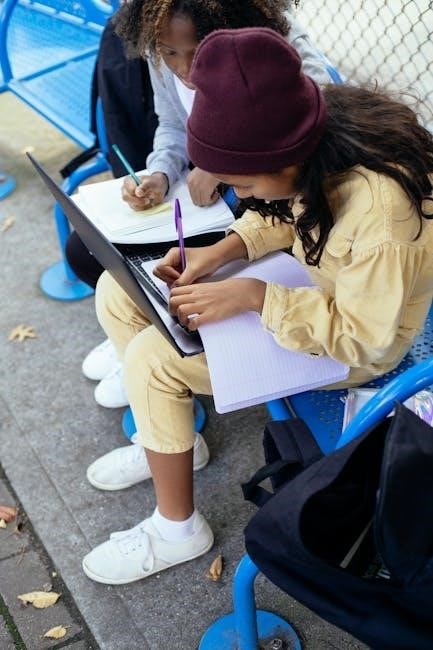
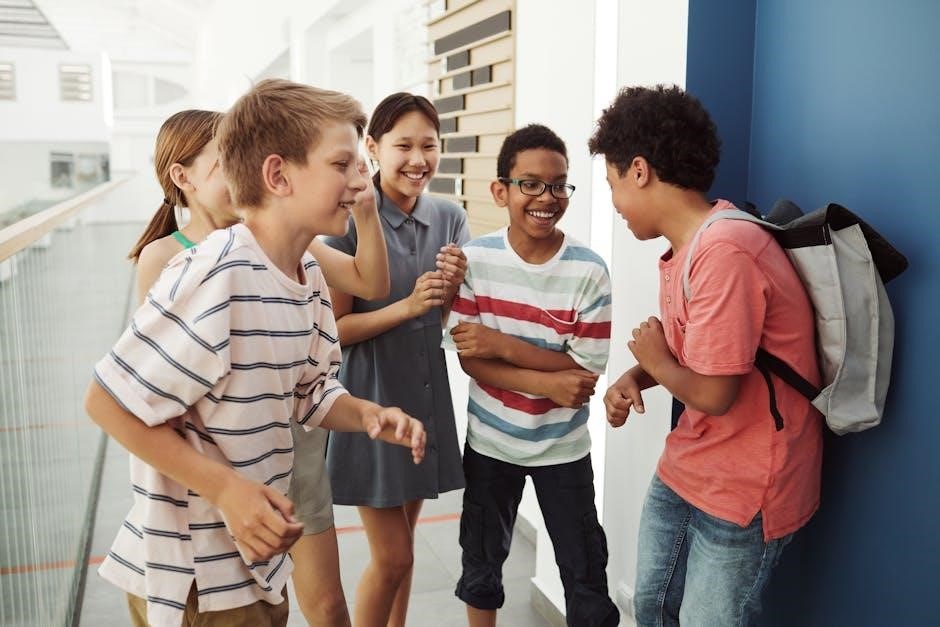
Navigating social dynamics is vital during junior high. Making new connections, handling peer pressure, and understanding social groups are essential skills for a positive experience.
Making New Friends
Embarking on the journey of making new friends in junior high can feel daunting, but it’s incredibly rewarding. Remember that many students are also seeking connections, so take the initiative! Joining clubs and sports, as highlighted by various resources, provides a natural environment to meet like-minded peers.
Don’t be afraid to strike up conversations – a simple “hello” or compliment can be a great starting point. Look for shared interests; discussing hobbies, favorite classes, or extracurricular activities can quickly build rapport. Be open to befriending people outside your usual circle; diversity enriches friendships.
Authenticity is key; be yourself and let your personality shine. Active listening demonstrates genuine interest in others, fostering stronger bonds. Remember that building friendships takes time and effort, so be patient and persistent. Embrace opportunities to collaborate on projects or study together, strengthening connections through shared experiences.
Dealing with Peer Pressure
Navigating peer pressure is a significant challenge during junior high, requiring self-awareness and courage. Understanding that true friends respect your boundaries is paramount. It’s vital to recognize situations where you feel uncomfortable or pressured to do something against your values.
Developing assertive communication skills is crucial; learning to say “no” confidently and respectfully is empowering. Having a pre-planned response can make it easier to resist unwanted influence. Surround yourself with friends who share your values and support your decisions. Remember that giving in to peer pressure can have negative consequences.
Seek support from trusted adults – parents, teachers, or counselors – when facing difficult situations. They can offer guidance and perspective. Focus on building self-confidence; knowing your worth makes you less susceptible to external pressures. Prioritize your wellbeing and make choices that align with your personal beliefs.
Navigating Social Groups
Junior high often involves shifting social dynamics and the formation of various groups; Understanding that it’s okay to explore different friendships is essential. Don’t feel pressured to fit into a specific clique if it doesn’t feel authentic to you. Focus on finding individuals who share your interests and values.
Be open to meeting new people and initiating conversations. Joining clubs or sports teams provides opportunities to connect with like-minded peers. Remember that social groups are fluid, and friendships can evolve over time. Avoid gossip and drama, as these can create unnecessary conflict.
Treat everyone with respect, regardless of their social standing. Embrace diversity and appreciate the unique qualities of others. If you experience exclusion or negativity, seek support from trusted adults. Prioritize genuine connections over popularity, and remember that quality friendships are more valuable than quantity.

Emotional Wellbeing & Mental Health
Prioritizing mental health is vital during junior high. Managing stress, building self-confidence, and addressing bullying are crucial for a positive experience and overall wellbeing.
Managing Stress and Anxiety
Junior high can be a remarkably stressful time, with increased academic pressures and social complexities. Recognizing the signs of stress – like changes in sleep or appetite, difficulty concentrating, or feeling overwhelmed – is the first step towards managing it effectively.
Prioritize self-care activities that you enjoy, such as listening to music, spending time in nature, or practicing mindfulness. Ensure you’re getting enough sleep, as this significantly impacts your ability to cope with stress. Don’t hesitate to talk to a trusted adult – a parent, teacher, counselor, or friend – about what you’re experiencing.
Learning relaxation techniques, like deep breathing exercises, can also be incredibly helpful in calming anxiety. Remember that it’s okay to ask for help, and seeking support is a sign of strength, not weakness. Breaking down large tasks into smaller, more manageable steps can also reduce feelings of overwhelm.
Building Self-Confidence
Junior high is a time of significant self-discovery, and building self-confidence is paramount to navigating this period successfully. Focus on identifying your strengths and celebrating your accomplishments, no matter how small they may seem. Remember that everyone makes mistakes, and these are valuable learning opportunities, not failures.
Challenge negative self-talk and replace it with positive affirmations. Surround yourself with supportive friends and family who believe in you and encourage your growth. Step outside of your comfort zone and try new things – this can help you discover hidden talents and build resilience.
Participating in activities you enjoy, whether it’s sports, clubs, or hobbies, can boost your self-esteem. Remember to be kind to yourself and practice self-compassion. Recognize your worth and believe in your ability to achieve your goals.
Dealing with Bullying
Bullying is never acceptable, and it’s crucial to remember you are not alone if you’re experiencing it. The first step is to tell someone you trust – a parent, teacher, counselor, or friend. Document instances of bullying, including dates, times, and details of what happened. This information can be helpful when reporting the behavior.
Avoid engaging with the bully directly, as this can escalate the situation. Walk away and remove yourself from the environment. Focus on building a strong support network of friends who can offer encouragement and companionship. Remember that bullying is a reflection of the bully’s issues, not your own worth.
Schools have policies in place to address bullying, so don’t hesitate to report it to school authorities. Prioritize your emotional wellbeing and seek support from a counselor if needed. You deserve to feel safe and respected at school.

Extracurricular Activities & Getting Involved
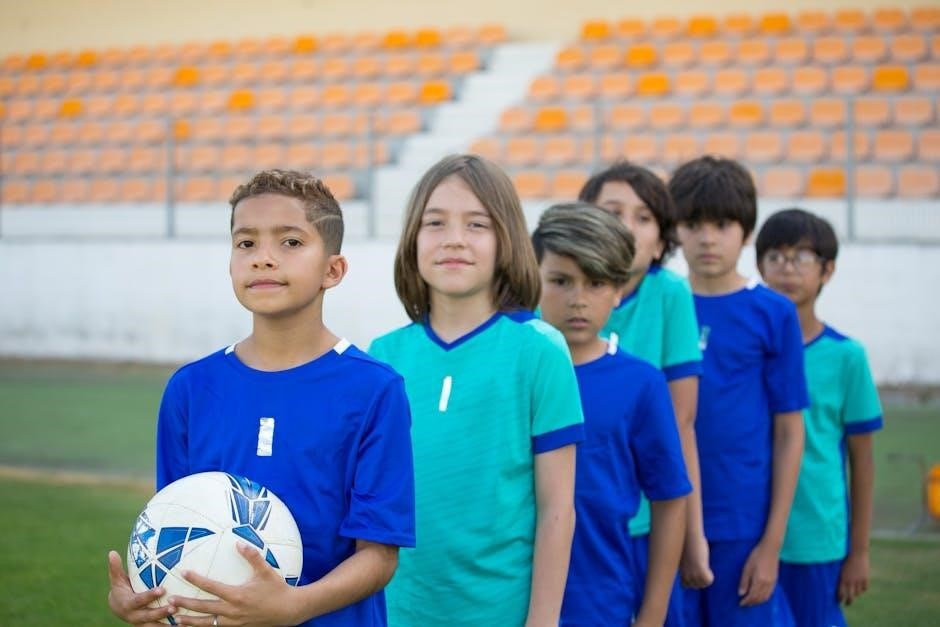
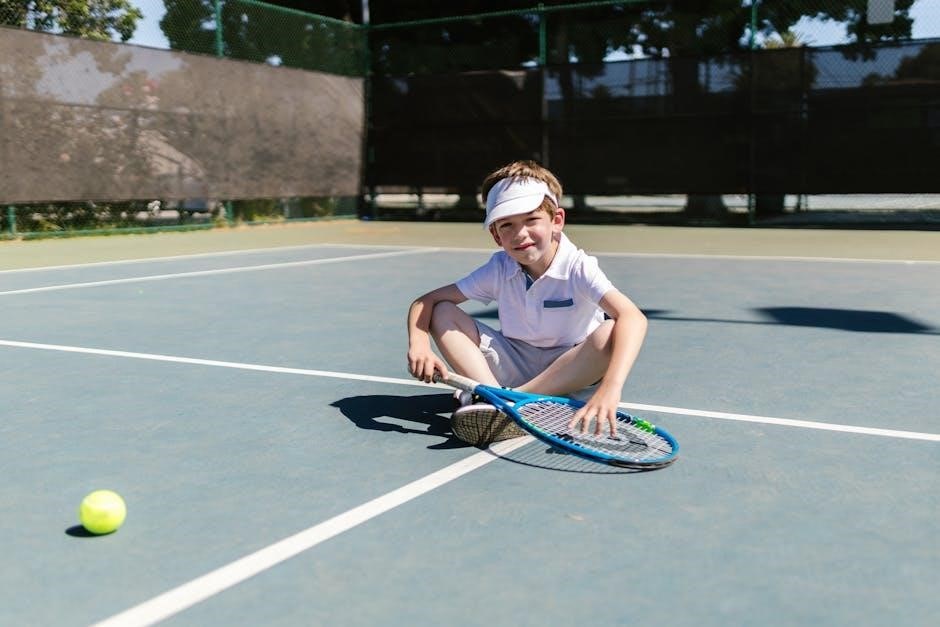
Joining clubs and sports fosters a sense of belonging and provides opportunities for growth. Participation boosts confidence, teaches teamwork, and enhances the overall junior high experience.
Exploring Clubs and Sports
The world of junior high extends far beyond the classroom, offering a vibrant landscape of clubs and sports to explore. These activities aren’t just about fun; they’re vital for personal development and building a well-rounded experience. From debate club to basketball, the options are diverse, catering to a wide range of interests and talents.
Consider your passions – are you a budding artist, a science enthusiast, or a sports fanatic? There’s likely a club or team perfectly suited to your inclinations. Don’t be afraid to try something new! Stepping outside your comfort zone can lead to unexpected discoveries and friendships.
School involvement demonstrably improves student wellbeing and academic performance. It provides a supportive community, teaches valuable life skills like teamwork and leadership, and offers a healthy outlet for stress. Actively seeking out and participating in these opportunities is a cornerstone of a successful junior high journey.
The Benefits of Participation
Engaging in extracurricular activities yields a wealth of benefits extending far beyond simply filling your schedule. Participation fosters a sense of belonging, creating a supportive network of peers who share common interests. This social connection is crucial for navigating the often-challenging social landscape of junior high.
Beyond the social aspects, involvement cultivates essential life skills. Team sports teach collaboration and discipline, while clubs hone leadership, communication, and problem-solving abilities. These skills are invaluable not only in high school but also in future endeavors.
Research consistently demonstrates a positive correlation between extracurricular participation and academic success. Students involved in activities tend to have better attendance, higher grades, and increased motivation. It’s a powerful way to build confidence and a strong foundation for future learning.

Practical Tips for Daily Life
Prioritize sleep, nutrition, and homework completion for optimal performance. Arrive prepared, manage lunchtime efficiently, and maintain organized school supplies for a smoother daily routine.
Preparing for Class

Consistent preparation is foundational for academic success in junior high. Each evening, review notes from the day’s lessons to reinforce understanding and identify areas needing clarification. Completing assigned readings before class allows for active participation and deeper engagement with the material.
Gather all necessary materials – textbooks, notebooks, pens, and any specific tools required for the lesson – the night before. This minimizes morning stress and ensures you’re ready to learn. A well-packed backpack is a symbol of preparedness!
Don’t hesitate to preview upcoming topics. Skimming the next chapter or reviewing key vocabulary terms can significantly enhance comprehension during class discussions. Being proactive demonstrates a commitment to learning and fosters a positive classroom experience. Remember, a little preparation goes a long way towards building confidence and achieving better grades.
Lunchtime Logistics
Lunchtime in junior high is more than just eating; it’s a social hub and a crucial break. Plan ahead – whether you’re bringing your lunch or purchasing it, know what your options are to avoid wasting valuable break time. If packing, ensure your lunch is nutritious and provides sustained energy for afternoon classes.
Navigating the cafeteria can be overwhelming. Identify a comfortable spot to sit, and don’t be afraid to invite friends or seek out new connections. Lunch is an excellent opportunity to socialize and build relationships.
Be mindful of cleanup procedures and dispose of your trash properly. Respecting the lunchroom environment contributes to a positive school atmosphere. Use this time to recharge, connect with peers, and prepare mentally for the remainder of the school day. A relaxed lunchtime translates to improved focus in class!
School Supplies & Backpack Organization
Maintaining an organized backpack and having the right supplies are foundational for academic success. At the start of each semester, review your syllabus and create a comprehensive supply list – pens, pencils, notebooks, folders, and a planner are essential. Consider a separate binder for each subject to keep materials neatly categorized.
Regularly declutter your backpack. Remove completed assignments, unnecessary papers, and broken supplies. Utilize folders and dividers to separate subjects and prevent chaos. A well-organized backpack reduces stress and saves time searching for materials.
Invest in a durable backpack with comfortable straps. Proper weight distribution is crucial for preventing back pain. Remember to check your school’s policy on acceptable backpack types and sizes. A little organization goes a long way!
Technology & Digital Citizenship
Responsible online behavior and utilizing technology for learning are vital skills. Prioritize digital safety, respect online etiquette, and leverage educational tools effectively.
Responsible Online Behavior
Navigating the digital world requires mindful practices and a strong understanding of online safety. Protecting your personal information is paramount; avoid sharing sensitive details with strangers online. Be cautious about accepting friend requests from people you don’t know in real life, and always think before you post.
Remember that everything you share online can have lasting consequences. Consider the potential impact of your posts on your reputation and future opportunities. Practice respectful communication and avoid engaging in cyberbullying or harmful online behavior.
Be aware of the risks of online scams and phishing attempts. Never click on suspicious links or download files from unknown sources. Report any inappropriate content or behavior you encounter online to a trusted adult. Prioritize a healthy balance between online and offline activities, and remember to disconnect regularly.
Using Technology for Learning
Technology offers incredible resources to enhance your learning experience in junior high. Utilize online educational platforms and apps to supplement classroom instruction and explore subjects in greater depth. Digital tools can aid in research, organization, and collaboration with classmates on projects.
Learn to effectively evaluate online sources for credibility and accuracy. Not all information found online is reliable, so develop critical thinking skills to discern trustworthy sources. Explore interactive simulations and virtual field trips to bring learning to life.
Utilize technology for note-taking, creating presentations, and accessing digital textbooks. However, remember to balance screen time with traditional learning methods. Avoid distractions and focus on using technology as a tool to support, not replace, active learning and engagement in the classroom.